
Nepali Care Worker Named Japan's Number One Hero for the Elderly
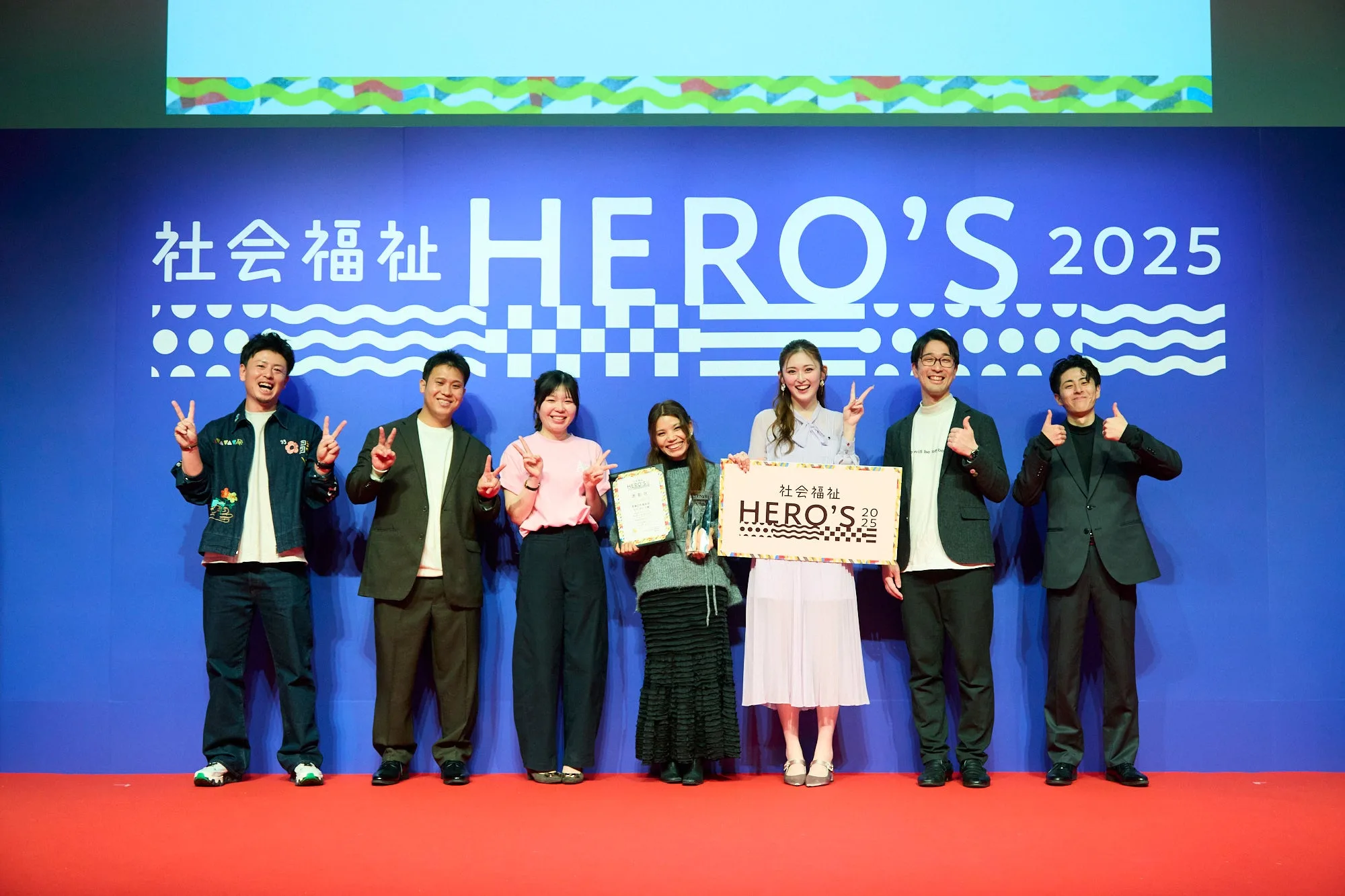
If you are thinking about kaigo (elderly care) work in Japan, or already doing it, this news from Tokyo is worth your attention. On January 28, 2026, Lama Sabina, a 30-year-old care worker from Nepal, was crowned Grand Prix winner of the "Best Hero Award" at the national Social Welfare HERO'S 2025 competition. She beat five other finalists from prefectures across Japan with a score of 93 out of 100, just one point ahead of the runner-up. What makes the moment historic: in the eight years the event has been held, this is the first time the top prize has gone to a foreign national.
From the Nepal Earthquake to a Nursing Home in Aichi
Sabina used to be a nurse in Nepal. Her turning point came in 2015, when a magnitude 7.8 earthquake struck her country and claimed around 9,000 lives. Amid the chaos, she watched Japanese Red Cross medical teams work with warmth and sincerity while protecting the dignity of the victims. That planted a resolve: one day, she would go to Japan to return the kindness.
That day came in July 2019. Sabina arrived in the first generation of technical intern trainees (ginou jisshu) from Nepal in the elderly care field, and began working at the Pegasus Kasuga nursing home in Kiyosu City, Aichi Prefecture, run by the Nishikasugai welfare association.
A Kaigo Career Ladder She Proved Herself
Sabina's journey shows that working in elderly care is not a dead end. There is a ladder to climb, and she climbed it fast.
| Year | Milestone |
|---|---|
| July 2019 | Arrived in Japan as a technical intern trainee in elderly care |
| March 2024 | Passed the national kaigofukushishi (certified care worker) exam on her first attempt |
| April 2025 | Promoted to team leader, supervising 4 staff members including Japanese colleagues |
| January 2026 | Won the national Best Hero Award, the first foreign national in the event's history |
A note on the kaigofukushishi exam: this is a national exam covering everything from anatomy to social welfare regulations to elderly psychology, all in Japanese. Plenty of native speakers fail it on their first try. Sabina, who also holds JLPT N2 Japanese certification, cleared it in one go. As champion, she received a 300,000 yen activity grant to keep promoting the appeal of the welfare field.
Her Secret Is Not Technique, but Protecting Elderly Dignity
Sabina's road was not always smooth. Early in her career, she was harshly rejected by a resident who was going through a difficult time, leaving her in tears and questioning her decision to move abroad. What saved her was another resident, who came over and told her, "You did nothing wrong. You have been working hard."
From that experience, Sabina found the heart of what she calls Japanese-style care: supporting the elderly so they can keep living as themselves until the very end, while respecting what they love and what they want. Her practice is simple but powerful. She regularly holds matcha tea gatherings for residents, and memorizes their favorite old songs so they can sing them together. This heart-to-heart communication is what led the judges, a mix of industry professionals, university students, and public voting, to give her a near-perfect score.
Kaigo Work in Japan Is Still Wide Open
Sabina's story comes at just the right moment. According to estimates from Japan's Ministry of Health, Labour and Welfare, the country will need around 2.72 million elderly care workers in fiscal year 2040, roughly 570,000 more than it has today. In other words, the door for foreign workers in kaigo remains wide open, and not just for entry-level positions.
The path is proven: enter through the technical intern training program or the Tokutei Ginou (Specified Skilled Worker) caregiving track, earn the kaigofukushishi certification once you meet the experience requirements, then move up into leadership. Sabina herself is not stopping. Her next target is a dementia care specialist certification, and her long-term dream is to build a Japanese-standard nursing home in Nepal. The skills you build in Japan are assets you can take anywhere.
Your First Steps if This Path Interests You
Start with three things: understand the difference between the entry routes (ginou jisshu and Tokutei Ginou caregiving), get serious about Japanese early because every certification exam uses it, and set a long-term goal like kaigofukushishi rather than just your first contract. Sabina proved the ladder exists. Climbing it is up to you.
Nuance Union is here to support foreign workers in Japan, from paperwork and career information to everyday questions. Get in touch if you need help planning your path in kaigo.